
UK Registered Charity - Charity Number 1200299
The issue of ghost gear is a global problem, and the UK is no exception. In fact, the UK is a major fishing nation, with a large fishing industry that relies heavily on fishing gear, including nets, lines, and traps. Unfortunately, much of this gear is lost, abandoned, or discarded in the oceans, contributing to the problem of ghost gear.
would you like to assist us in the removal of Ghost Gear from the sea? Fill in our short form....
There are many ways in which you can assit us and its not just by diving or picking ghost gear...
would you like to assist us in the removal of Ghost Gear from the land? Fill in our short form.....
Clean Planet UK, a charity dedicated to tackling the problem of ghost gear in our oceans. Our mission is to remove lost and abandoned fishing gear from the ocean and promote sustainable fishing practices to prevent further damage to marine ecosystems.
Ghost gear is a serious problem that affects marine wildlife and habitats worldwide. It is estimated that there are millions of tons of ghost gear in our oceans, causing entanglement, injury, and death to marine animals. Ghost gear also damages sensitive marine habitats, such as coral reefs and seagrass beds, and contributes to the global problem of plastic pollution.
Clean Planet UK was founded to address this issue and has been working tirelessly to remove ghost gear from the ocean since our inception. We work with local fishing communities, governments, and NGOs to recover lost or abandoned fishing gear and recycle it whenever possible.
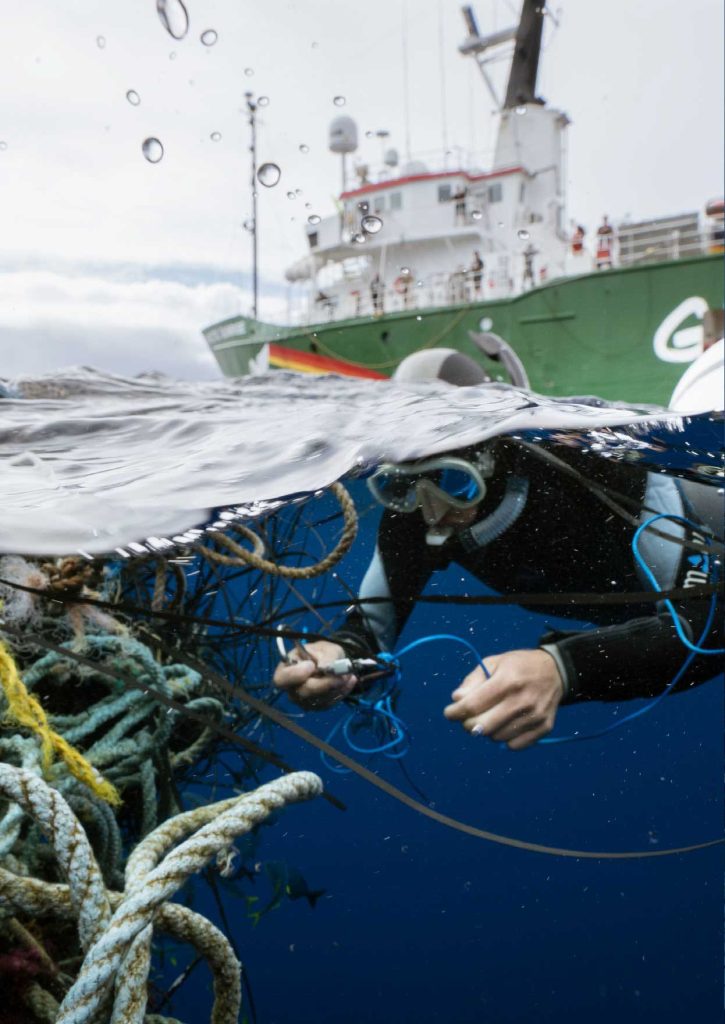
Our team of experienced divers and volunteers use advanced techniques to locate and retrieve ghost gear from the ocean floor. We also conduct educational programs and awareness campaigns to promote sustainable fishing practices and encourage responsible disposal of fishing gear.
Our work is made possible by the generosity of donors and supporters who share our commitment to protecting our oceans and marine life. Your donation will help us continue our vital work to remove ghost gear from the ocean, prevent further damage to marine ecosystems, and promote sustainable fishing practices.
Every year, approximately 640,000 tonnes of fishing gear, including lines, nets, and pots, is lost or discarded into the oceans. This alarming figure continues to rise, posing a growing threat to marine ecosystems. Referred to as “Ghost gear,” these abandoned nets, lines, and fishing industry equipment persistently harm wildlife long after fishing vessels have left them behind.
In the UK alone, discarded fishing gear stands as the second largest contributor to marine debris. With over 1,250 kilometers of nets lost in UK waters annually, the scale of the problem is staggering.
Tragically, this lost and abandoned fishing gear takes a heavy toll on marine life. It is estimated that over 150,000 seals and cetaceans (whales, dolphins, and porpoises) are killed each year as a result of entanglement in ghost gear. Additionally, countless sea birds, turtles, and sharks meet the same devastating fate.
These harrowing statistics underscore the urgent need for action to address ghost gear pollution. By raising awareness, promoting responsible fishing practices, and implementing effective waste management strategies, we can strive to reduce the impact of discarded fishing gear on our precious marine ecosystems. Together, we can protect and preserve the diverse array of life that inhabits our oceans.
The UK government recognizes the importance of addressing the issue of ghost gear and has taken steps to address it. The government has launched initiatives to reduce the amount of fishing gear lost at sea and promote sustainable fishing practices. For example, the government has introduced regulations that require fishing vessels to report lost or damaged gear and to implement measures to reduce the amount of lost gear.
In addition, the UK has taken steps to support the removal of ghost gear from the oceans. The government has provided funding for research and development of new technologies and methods for removing ghost gear from the oceans. The government has also supported initiatives to recycle ghost gear and turn it into useful products.
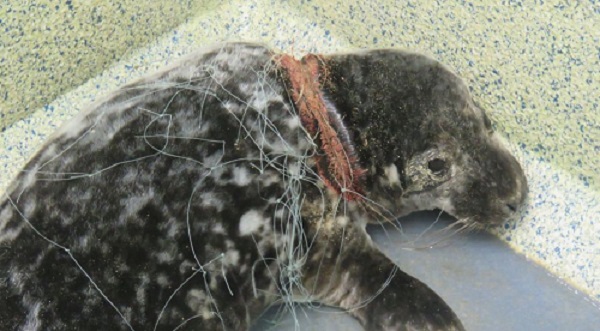
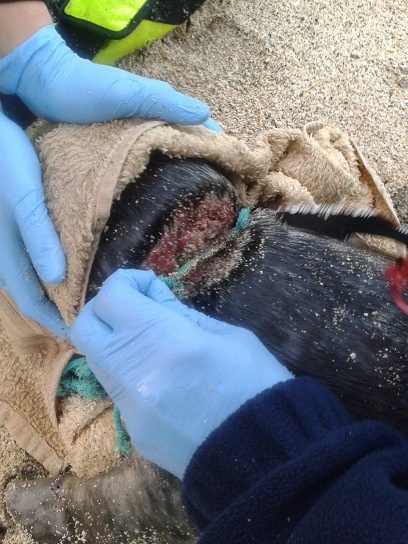
The risk posed to the marine environment by major fishing gear types becoming lost or abandoned. Risk is determined by multiplying the likelihood of being lost or abandoned with the magnitude of environmental impact (each scored between 1–5, with 1 being very low and 5 being very high. Resulting risk scores can be in the range of 1–25).
| Gear groups | Likelihood of loss | Magnitude of impact | Risk |
| Gillnets | 5 | 5 | 25 |
| Traps and pots | 4 | 4 | 16 |
| Fish aggregating devices | 4 | 3 | 12 |
| Hooks and lines | 3 | 3 | 9 |
| Bottom trawls | 2 | 3 | 6 |
| Midwater trawls | 1 | 2 | 2 |
| Seine nets | 1 | 2 | 2 |
help us clean our oceans
Your donation, no matter how big or small, will directly contribute to our impactful projects and initiatives. Together, let’s create a cleaner, healthier, and more sustainable future for generations to come.
Click below to make a secure donation and be a part of the Clean Planet UK movement. Your support matters!
You can also scan the QR code to make your donation!

